Tesla (TSLA) stock has never paid a dividend. Despite being one of the most valuable companies in the world, with a market cap exceeding $1.4 trillion, Tesla has consistently reinvested its profits into growth initiatives like robotaxi development, energy storage, and AI chip manufacturing. For income-focused investors who believe in Tesla’s long-term potential but need cash flow today, this creates a dilemma: How do you generate income from a non-dividend-paying growth stock?
The answer lies in Tesla-focused covered call ETFs like TSLY (YieldMax TSLA Option Income Strategy ETF) and TSLP (Kurv Yield Premium Strategy Tesla ETF). These specialized funds use options strategies to convert Tesla’s legendary volatility into weekly or monthly income streams, with distribution yields ranging from 30% to over 100% annually. But these eye-popping yields come with significant trade-offs that every investor must understand.
In this comprehensive guide, we’ll break down exactly how TSLA covered call ETFs work, compare the top options available in 2026, analyze their risks, and help you determine whether these income-generating vehicles belong in your portfolio.
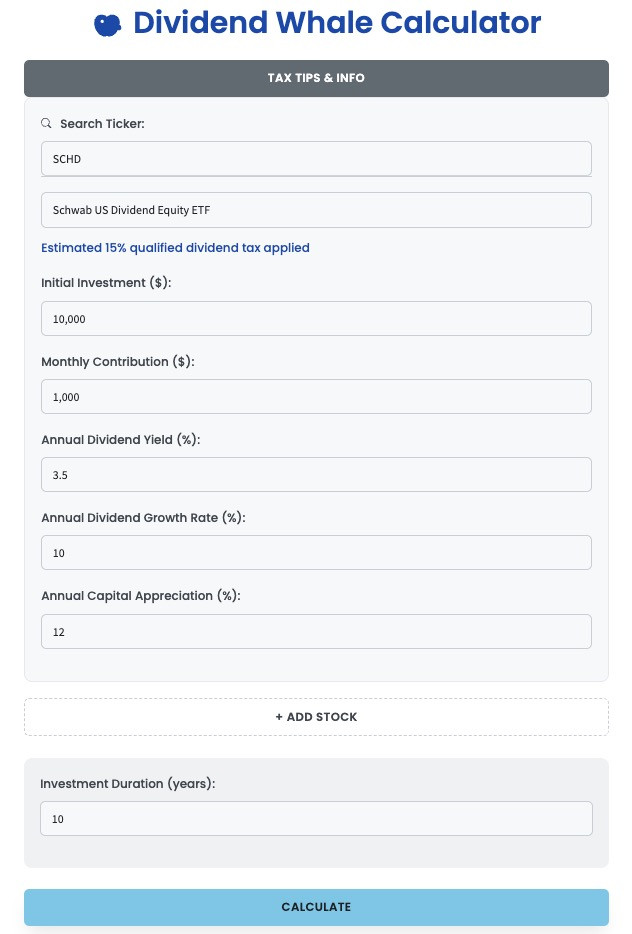
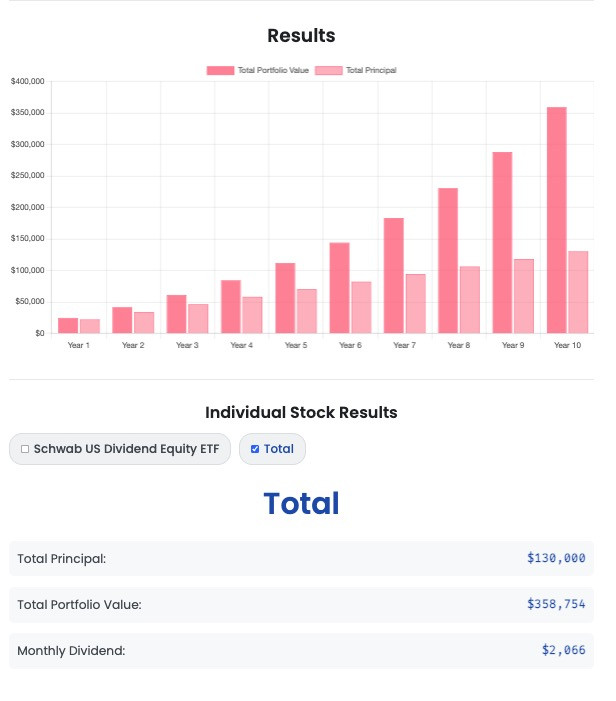
💰 Calculate Your Potential TSLA ETF Dividend Income
Before diving into the details, see how much passive income you could generate from Tesla-focused covered call ETFs using our free calculator
👇 Check it out now!
🐳 Dividend calculator📊 What Are Tesla Covered Call ETFs and How Do They Generate Income?
Tesla covered call ETFs are exchange-traded funds that use options strategies to generate income from Tesla stock exposure without actually paying traditional dividends. Here’s the core mechanism:
The Synthetic Covered Call Strategy:
These ETFs don’t directly own Tesla stock. Instead, they create synthetic long positions using FLEX options (flexible exchange-traded options) and cash collateral held in U.S. Treasury securities. They then sell call options against this synthetic position, collecting option premiums from buyers who want to bet on Tesla’s price movements.
Why Tesla? The Volatility Premium:
Tesla stock has experienced significant price movements, with shares gaining 20.3% over the past year while displaying considerable weekly and monthly volatility. This volatility is the secret sauce. When stocks swing wildly in price, options on those stocks become more expensive. Higher option prices mean larger premiums for the ETF when it sells calls, which translates directly into bigger distributions for shareholders.
Cash Flow Without Ownership:
Unlike traditional dividend stocks where you must wait for the company to declare a distribution, covered call ETFs generate income from market activity itself. Every week or month, the fund executes a new round of option trades, collects premiums, and passes most of that income to shareholders after expenses.
The Trade-Off:
In exchange for this income, shareholders cap their upside potential. If Tesla rallies 50% in a month, the ETF won’t capture all those gains because the call options sold will be exercised. You’re essentially trading unlimited upside for consistent income.
📈 Major TSLA Covered Call ETFs: Features and Comparison
Not all Tesla income ETFs are created equal. Here are the leading options available to investors in 2026:
| ETF Ticker | Distribution Frequency | Recent Yield | Expense Ratio | Strategy Type |
|---|---|---|---|---|
| TSLY | Weekly | 70-100%+ | 0.99% | Synthetic covered call on TSLA |
| TSLP | Monthly | 30-35% | 0.95% | Covered call with capped upside |
| TSLL | Quarterly | 13-15% | 0.95% | 2x leveraged bull with dividends |
TSLY (YieldMax TSLA Option Income Strategy ETF)
TSLY pays dividends weekly, with recent distributions around $0.43 per share and a current dividend yield of 78.68%. This is the most aggressive income option, offering the highest yields but also the most volatility in distribution amounts.
Key Characteristics:
- Launched: October 2022
- Weekly income payments
- Distributions fluctuate significantly based on Tesla’s volatility
- Best for: Income maximizers willing to accept variable cash flows
TSLP (Kurv Yield Premium Strategy Tesla ETF)
TSLP offers a more conservative approach with monthly distributions and lower but more stable yields around 30-35%. The fund uses a similar covered call strategy but with tighter risk management.
Key Characteristics:
- Monthly distributions
- More predictable income stream
- Lower expense ratio (0.95%)
- Best for: Investors seeking balance between income and stability
TSLL (Direxion Daily TSLA Bull 2X)
TSLL provides quarterly dividends with a current yield of 13.55%, but it’s fundamentally different from TSLY and TSLP. TSLL is a leveraged ETF that seeks 2x the daily performance of Tesla stock, then distributes gains as dividends.
Key Characteristics:
- 2x daily leverage on TSLA
- Quarterly distributions
- Higher volatility and risk
- Best for: Aggressive traders with short-term horizons
🔍 Head-to-Head Comparison: TSLY vs TSLP vs Direct TSLA Ownership
How do these income strategies compare to simply buying Tesla stock? Here’s what you need to know:
| Factor | TSLY | TSLP | TSLA (Direct) |
|---|---|---|---|
| Dividend Yield | 70-100%+ | 30-35% | 0% (no dividend) |
| Upside Potential | Capped by calls | Capped by calls | Unlimited |
| Downside Protection | Option premium cushion | Option premium cushion | None |
| Volatility | Very High | High | Extreme |
| Best For | Maximum income seekers | Balanced income investors | Growth-focused bulls |
Performance During Tesla Rallies:
When Tesla surged to nearly $500 in late 2025, direct TSLA shareholders captured the full gain. TSLY and TSLP shareholders received their weekly/monthly income but missed most of the capital appreciation because their call options were exercised.
Performance During Tesla Corrections:
When Tesla reported Q1 2026 deliveries that missed consensus by roughly 7,600 units, TSLA fell 5.43% in a single day. During this period, TSLY and TSLP shareholders still received their distributions, which provided some cushion against the decline. However, the NAV (Net Asset Value) of these ETFs still dropped alongside Tesla’s stock price.
The Income vs. Growth Decision:
If you believe Tesla will double from current levels due to robotaxi success or AI breakthroughs, buying TSLA directly makes more sense. If you think Tesla will trade sideways or modestly higher while remaining volatile, covered call ETFs can generate superior total returns through income collection.
📅 Distribution Schedules and What to Expect in 2026
Understanding when and how much you’ll receive is crucial for income planning:
TSLY Distribution Calendar
TSLY’s next dividend has an ex-dividend date of April 9, 2026, with weekly payments typically occurring every Wednesday. Distribution amounts fluctuate based on:
- Tesla’s implied volatility over the previous week
- Option premiums collected
- The fund’s net asset value
- Market conditions
Recent TSLY Payments (2026):
- Week of April 16: $0.2674 per share
- Week of April 9: $0.43 per share
- Week of April 2: $0.26 per share
Notice the significant variance week-to-week. This is normal for TSLY and reflects changing market conditions.
TSLP Distribution Calendar
TSLP pays monthly dividends, with recent distributions around $0.55 per share and an ex-date of April 8, 2026. Monthly payments provide easier budgeting compared to weekly distributions.
Tax Considerations for 2026
Most distributions from covered call ETFs are taxed as ordinary income, not qualified dividends. This means:
- No preferential 15-20% dividend tax rate
- Distributions taxed at your marginal income tax bracket
- Potential for short-term capital gains treatment
For high-income investors in the 37% federal tax bracket, a 70% pre-tax yield becomes roughly 44% after-tax. State taxes may apply additionally. Consider holding these ETFs in tax-advantaged accounts like IRAs to maximize after-tax income.
⚠️ 3 Critical Risks Every TSLA Covered Call ETF Investor Must Understand
These products are not suitable for everyone. Here are the three biggest risks you must evaluate before investing:
Risk #1: Distribution Cuts and Volatility Collapse
Your income is directly tied to Tesla’s volatility. If Tesla enters a period of low volatility—perhaps after reaching steady-state robotaxi operations or mature market status—option premiums will collapse, and distributions will fall dramatically.
Historical Example: In 2026, some covered call ETFs saw distribution rates drop 40-50% during periods of reduced market volatility. TSLY’s yield has ranged from 29% to over 100% depending on market conditions.
What This Means: Don’t budget your retirement income assuming a 70% yield will continue indefinitely. Build in a margin of safety.
Risk #2: Underperformance During Strong Bull Markets
Analyst Ivan Feinseth of Tigress Financial Partners initiated coverage on Tesla with a Buy rating and a 12-month price target of $550 , suggesting significant upside potential. If this price target is realized, direct TSLA shareholders would see roughly 30% gains from current levels around $400.
TSLY and TSLP shareholders would capture far less of this upside because their call options would be exercised, capping gains. You’d receive your weekly income, but you’d miss the capital appreciation.
The Opportunity Cost: If Tesla becomes a $2 trillion company in the next two years (as some bulls predict), covered call ETF holders will significantly underperform buy-and-hold investors.
Risk #3: Return of Capital and NAV Erosion
Some distributions include “return of capital” rather than pure income. This means you’re receiving your own money back, reducing the fund’s NAV over time.
The most recent CRSH distribution on April 15, 2026 contained 96.48% return of capital and only 3.52% income. While TSLY typically has better income ratios, it’s crucial to check each fund’s distribution composition.
Red Flag Warning: If a fund consistently pays out more than it earns through option premiums, it’s returning capital. Over time, this erodes your principal and creates a “melting ice cube” effect where your NAV slowly declines.
How to Monitor: Check each fund’s monthly fact sheet for the income vs. return of capital breakdown. Aim for funds where at least 70-80% of distributions come from actual income.
💡 TSLA Covered Call ETFs Are Best Suited For These Investor Profiles
These specialized income vehicles aren’t for everyone. Here’s who benefits most:
Profile #1: Income-Focused Tesla Bulls with Modest Growth Expectations
You believe in Tesla’s long-term story but don’t expect 10x returns from current levels. You’d rather collect 40-70% annual income than wait for potential capital appreciation.
Example: A retiree with $50,000 who wants Tesla exposure but needs monthly cash flow. Investing in TSLP could generate $1,250-1,750 monthly income, even though Tesla pays no dividend.
Profile #2: Volatility Traders and Options-Savvy Investors
You understand options mechanics and want to outsource the covered call strategy to a professional manager rather than writing calls yourself.
Advantage: ETFs handle the complexity of selecting strike prices, expiration dates, and rolling positions. You just collect the distributions.
Profile #3: Portfolio Diversifiers Seeking Alternative Income
You’re looking to diversify beyond traditional dividend stocks into alternative income sources. You understand the risks and allocate only a small portion (5-10%) of your portfolio.
Risk Management: Treat TSLA covered call ETFs as satellite holdings, not core positions. They’re too volatile and unpredictable for most investors’ core income needs.
Who Should Avoid These Funds:
- Conservative income investors who need stable, predictable cash flows
- Growth investors who want maximum upside from Tesla’s potential
- Investors who don’t understand options and can’t evaluate strategy changes
- Those with short time horizons who can’t weather distribution volatility
❓ FAQ: Your Top Questions About TSLA Covered Call ETFs Answered
1. Does Tesla (TSLA) stock pay dividends?
No, there is no dividend history available for Tesla, as the stock has never paid a dividend. Tesla reinvests all profits into growth initiatives including vehicle production, energy storage, AI development, and the robotaxi program. Management has shown no indication of initiating a dividend policy in the foreseeable future.
2. How can I get dividend income from Tesla stock if it doesn’t pay dividends?
You have three options:
- Buy TSLA covered call ETFs like TSLY or TSLP, which generate income through options strategies
- Sell covered calls yourself on TSLA shares you own (requires options approval and active management)
- Accept no income and focus purely on capital appreciation
For most investors, option #1 (ETFs) provides the easiest path to Tesla-related income without the complexity of managing options positions.
3. What’s the difference between TSLY and TSLP?
TSLY:
- Weekly distributions
- Higher yields (70-100%+)
- More volatile income
- Larger asset base ($760+ million)
TSLP:
- Monthly distributions
- Lower but more stable yields (30-35%)
- Newer fund with different risk management approach
- Smaller asset base
Choose TSLY if you want maximum income and can tolerate variability. Choose TSLP if you prefer monthly payments with more predictability.
4. Are TSLA covered call ETF distributions guaranteed?
Absolutely not. These distributions are variable and depend entirely on:
- Tesla’s stock price volatility
- Option premiums collected
- Market conditions
- The fund manager’s ability to execute the strategy
In low-volatility environments, distributions can fall 50% or more from peak levels. Never assume current yields will continue.
5. Should I hold TSLY in a taxable account or IRA?
Strongly prefer an IRA or other tax-advantaged account. Here’s why:
Most distributions are taxed as ordinary income at your highest marginal rate (up to 37% federal). In a taxable account, a 70% yield becomes ~44% after-tax for high earners. In a Roth IRA, you pay no taxes on distributions or gains. In a traditional IRA, you defer taxes until withdrawal.
Exception: If you’re in a low tax bracket (12% or less) and need the income for current expenses, taxable account holdings may make sense.
🔔 2026 Outlook: What’s Driving TSLA and These Income Funds?
Several catalysts are influencing both Tesla stock and covered call ETF performance in 2026:

Robotaxi Rollout
Elon Musk confirmed that Tesla is now testing vehicles with no occupants inside, marking a significant milestone for its fully driverless robotaxi program. The Cybercab is scheduled to begin production in April 2026, with volume production targeted by year-end.
Impact on ETFs: Successful robotaxi deployment could send TSLA soaring, which would hurt covered call ETF performance relative to direct ownership. However, it would also increase volatility, potentially boosting option premiums and distributions.
Energy Storage Growth
Tesla’s energy storage business generated $12.77 billion at 30% margins in recent periods, representing a significant new revenue stream. This diversification makes Tesla less dependent on EV sales alone.
Impact on ETFs: More stable earnings from energy could reduce TSLA volatility over time, potentially lowering option premiums and distributions.
AI and Chip Development
Tesla stock closed nearly 8% higher on April 15, 2026 after CEO Elon Musk touted progress on the company’s forthcoming AI5 chip. he Tesla-SpaceX Terafab project aims to produce advanced chips for vehicles, robots, and data centers.
Impact on ETFs: AI breakthroughs typically trigger sharp price moves, increasing implied volatility and option premium income.
Delivery Challenges
Tesla reported Q1 2026 deliveries of 358,023, missing consensus by roughly 7,600 units, with deliveries falling 14.4% sequentially from Q4 2025.The company also produced roughly 50,000 more vehicles than it delivered, suggesting inventory buildup.
Impact on ETFs: Weaker delivery numbers create uncertainty and volatility, which can actually benefit covered call strategies by increasing option values.
🎯 Final Thoughts: Making the TSLA Income Decision
Tesla covered call ETFs like TSLY and TSLP represent a fascinating innovation in income investing. They allow you to generate substantial cash flow from a non-dividend-paying growth stock by harnessing Tesla’s legendary volatility. For the right investor, they can serve as powerful income tools.
However, these products are complex, risky, and unsuitable for most conservative investors. The yields are variable, not guaranteed. The distributions are taxed unfavorably. And you sacrifice the unlimited upside potential that makes Tesla such an attractive growth investment in the first place.
The Bottom Line:
If you’re a sophisticated investor who understands options, can tolerate income volatility, and want to trade growth potential for current cash flow, allocate 5-10% of your portfolio to TSLA covered call ETFs. Use our dividend calculator to model various scenarios before committing capital.
👇 Check it out now!
🐳 Dividend calculatorIf you’re a traditional dividend investor looking for stable, predictable income, stick with high-quality dividend aristocrats and avoid these specialized products. The 70%+ yields are exciting, but they come with risks that most income investors shouldn’t accept.
📚 References and Further Reading
For more information on Tesla stock, covered call ETFs, and options income strategies, consult these resources:
- TSLY Official Fund Page
- Kurv TSLP Official Fund Page
- Tesla Stock Analysis and Price Targets
- Comprehensive Guide to Covered Call ETFs
⚖️ Disclaimer
This article is for informational and educational purposes only and does not constitute financial, investment, or tax advice. Covered call ETFs involve substantial risks including loss of principal, distribution cuts, and tax inefficiency. Tesla stock is highly volatile and may not be suitable for all investors.
Past performance does not guarantee future results. Distribution yields can change dramatically and are not guaranteed. Before investing in TSLY, TSLP, or any covered call ETF, carefully read the fund’s prospectus, consult with a qualified financial advisor, and ensure the investment aligns with your risk tolerance and financial goals.
The information presented is based on publicly available data as of April 2026 and may become outdated. Always verify current fund details, distribution rates, and tax treatment before making investment decisions.